
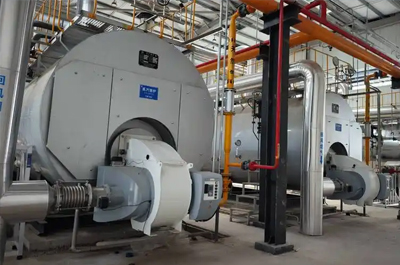
The water circulation safety production supervision scheme is built upon the integration of water temperature sensors, pressure sensors, ultrasonic flowmeters, and dedicated online monitoring terminal...
Free experienceIn the production landscape of foundry enterprises, boilers occupy a central position, and their safe and stable operation is directly related to the normal production rhythm and economic benefits of the enterprise. With the rapid development of industrial technology, implementing scientific and efficient supervision of water circulation safety production has become the only way for enterprises to achieve sustainable development.
The water circulation safety production supervision scheme is built upon water temperature sensors, pressure sensors, ultrasonic flowmeters, and dedicated online monitoring terminals for the cold circulation system. Through these devices, key parameters such as pressure, temperature, and flow rate of the water circulation inlet and outlet pipelines can be precisely monitored in real-time and online. With the aid of remote monitoring data, the system will immediately trigger an alarm mechanism once abnormal data is detected. This not only allows the emergency management bureau to remotely grasp the safety production status of enterprises in real-time, effectively reducing the risk of dangerous production accidents occurring in enterprises, but also prompts enterprises to take reasonable measures in a timely manner when facing abnormal situations, significantly enhancing their awareness of safety production.

The water circulation safety production monitoring system is fully functional and powerful, featuring real-time online monitoring capabilities. It can continuously monitor various parameters such as temperature, pressure, and flow at the inlet and outlet of the water circulation system. In case of any abnormal values, the system will automatically send messages to notify relevant personnel for timely handling. It supports historical data analysis and can present the changing trends of inlet and outlet temperature, pressure, flow, and other data in the form of line charts. With alarm and early warning management functions, when the monitored data exceeds the preset safety range, an alarm mechanism will be triggered. Depending on the level of early warning, corresponding management personnel and operation and maintenance personnel will be notified through various means such as the system platform, WeChat, SMS, and alarms to ensure a rapid response. It also supports digital large-screen display, clearly presenting the location distribution of each point, real-time data and status of the water circulation system. When abnormal messages appear, the large screen will promptly remind users, and it can also provide real-time statistics on equipment online status and analyze the changing status of water circulation monitoring data for various enterprises through curve analysis.
Application products
The medium-frequency furnace cold cycle monitoring terminal is a highly integrated device, combining data acquisition, transmission, analysis, and remote control functions.
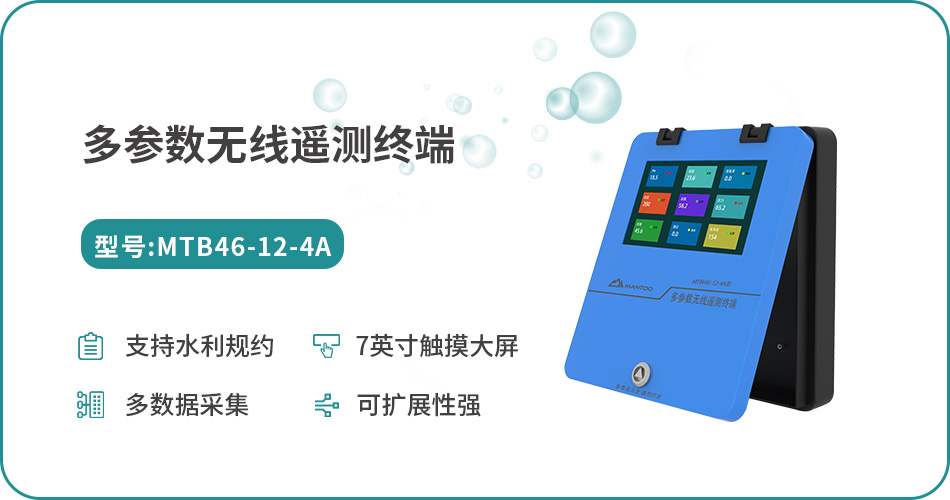
Real-time data collection: By connecting to various sensors in the cold circulation system, it can collect real-time parameters such as cooling water temperature, pressure, liquid level, and flow rate. Additionally, the collection frequency can be flexibly adjusted according to customer needs.
Remote monitoring: It can transmit the collected data to the host computer or cloud server via the communication network, facilitating subsequent analysis and management, allowing operators to remotely monitor the operation status of the cold circulation system.
Data analysis: It integrates data analysis algorithms internally, enabling real-time analysis and judgment of operational data. In the event of overheating, abnormal pressure, or abnormal liquid level, it will immediately alert responsible personnel through audible and visual alarms, SMS, emails, or other means, so that prompt countermeasures can be taken.
applied value
Optimizing production efficiency: Through in-depth analysis and optimization of water circulation data, enterprises can more precisely control each link in the production process, effectively improving product quality and production efficiency.
Improving operation and maintenance efficiency: The application of intelligent monitoring and early warning systems has significantly reduced the frequency and cost of manual inspections. The systems are capable of real-time monitoring of equipment operating status, promptly detecting potential faults and issuing early warnings, thereby enhancing overall operation and maintenance efficiency.
Enhancing regulatory efficiency: Regulatory authorities can utilize system platforms to remotely monitor the operational status of enterprises' water circulation systems and collect relevant data in real time. This aids regulatory authorities in quickly responding to and handling abnormal situations, improving the timeliness and effectiveness of regulation, and forming a more scientific and comprehensive safety management mechanism.
Promoting digital transformation: By introducing intelligent technologies and data analysis tools, enterprises can achieve digital management and remote monitoring of production processes, thereby enhancing management efficiency and decision-making capabilities.
hotline:400-6822950
Email:service@mantoo.com.cn